From Training to Transformation: Three Student Success Stories in Healthcare
Healthcare training success stories begin with a decision.
Healthcare training success stories often begin with a single decision: the decision to learn, grow, and prepare for a better future. For many students, enrolling in a Certified Nursing Assistant (CNA) or Emergency Medical Technician (EMT) program is more than an academic step. It is a personal investment in confidence, professional opportunity, and the ability to make. We believe that education should lead to opportunity. That is why our approach combines practical training, continuous support, and career guidance. The success of our students is reflected not only in the certificates they earn but also in the careers they build after graduation.
These healthcare training success stories show what can happen when determination is supported by relevant education and the right opportunities. The journeys of Silvia, Felis, and Peter demonstrate how practical skills, encouragement, and career support can help students move from training into employment.
These are more than graduation stories. They are stories of courage, preparation, and new beginnings.
Silvia’s Story: From a CNA Goal to a Career in Dubai

Silvia joined our CNA program with one clear goal: to build a better future.
Like many students who choose healthcare training, Silvia understood that achieving her goal would require commitment. She took part in hands-on training and continued learning with the support of her instructors. This practical experience helped her develop the knowledge and confidence needed to take the next step in her professional journey.
After completing her course, Silvia turned her training into a real career opportunity. Today, she is working in Dubai, demonstrating how focused preparation can open doors beyond the classroom and across borders.
Silvia’s journey is a reminder that career progress often starts with a clearly defined goal. With determination, practical skills, and consistent support, a student can move from hoping for a better future to actively building one.
What Silvia’s Success Story Teaches Us
Silvia’s experience highlights the value of hands-on CNA training. Classroom knowledge is important, but practical preparation helps students connect what they learn with the responsibilities of a healthcare workplace. Her story also shows that a healthcare qualification can become a foundation for wider career opportunities.
Felis’ Journey: From CNA Training to Hospital Employment


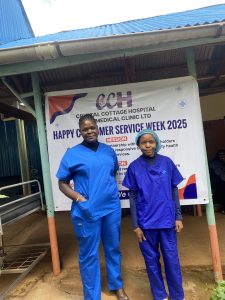

Felis completed the CNA course with a commitment to starting a career in healthcare. However, completing training was only one part of the journey. The next important step was finding an opportunity to use those newly developed skills.
Right after graduation, Felis received job placement support from MedPrime. This support helped connect Felis’s training with a professional opportunity. Today, Felis is successfully employed at Crystal Cottage Hospital, doing the work they trained for.
Felis’ story is especially meaningful because it shows the importance of support after graduation. Students need more than a certificate. They also benefit from guidance as they prepare for employment, present their qualifications, and move into the workplace.
Felis is now able to apply their CNA training in a hospital setting. Each day brings the opportunity to serve patients, work as part of a healthcare team, and continue growing professionally.
What Felis’ Success Story Teaches Us
Felis’ journey demonstrates how healthcare job placement support can help bridge the gap between training and employment. When students receive guidance after graduation, they may be better prepared to pursue opportunities that match their skills and career goals.
Peter’s Breakthrough: How an Extra Certificate Created an Advantage
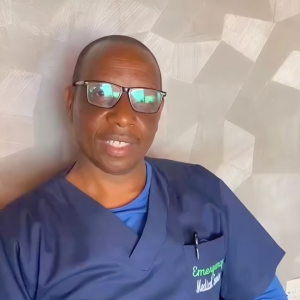
Peter enrolled in our EMT program with the goal of preparing for a career in emergency medical services. During his training, he also graduated with an additional first aid certificate.
That extra qualification gave Peter an important advantage in the job market. Emergency care requires practical skills, quick decision-making, and the ability to respond responsibly when people need help. First aid training strengthened Peter’s preparation and added another valuable skill to his professional profile.
The additional training paid off. Peter is now working with CIREMED Ambulance Services, where he can apply his EMT education and first aid skills in a professional setting.
Peter’s breakthrough shows that continued learning can make a meaningful difference. Sometimes, an additional certificate or practical skill can help a graduate stand out and feel more prepared when pursuing employment.
What Peter’s Success Story Teaches Us
Peter’s experience highlights the career value of combining core EMT training with complementary certifications. Building a broader skills profile can help students demonstrate initiative and readiness for the demands of emergency medical services.
The Common Thread Behind These Healthcare Training Success Stories
Although Silvia, Felis, and Peter followed different paths, their stories share several important themes.
First, each student began with a goal. Silvia wanted to build a better future. Felis wanted to turn CNA training into employment. Peter wanted to prepare for work in emergency medical services.
Second, each student completed practical training. CNA and EMT programs help learners build skills that can be used in real healthcare environments. This connection between training and practice is essential for students who want to move confidently into the workplace.
Third, support played an important role. Silvia benefited from continuous support during her training. Felis received job placement support after graduation. Peter strengthened his profile with an additional first aid certificate.
Finally, each story demonstrates the power of action. A goal becomes a career pathway when a student chooses to enroll, complete the training, develop practical skills, and pursue an opportunity.
Why Healthcare Training Can Lead to a Better Future
Healthcare continues to need compassionate, skilled, and committed professionals. A CNA or EMT program can provide an entry point for people who want meaningful work and a chance to serve their communities.
Training can help students develop more than technical knowledge. It can build confidence, discipline, communication skills, and professional responsibility. These qualities matter in every healthcare setting, whether a graduate is supporting patients in a hospital, providing care as a nursing assistant, or responding to emergencies as an EMT.
The stories of Silvia, Felis, and Peter show that success does not always happen in the same way. One graduate may find an opportunity abroad. Another may move directly into hospital employment with placement support. A third may gain an advantage by adding a complementary certificate.
Start Your Own Healthcare Career Journey
Silvia, Felis, and Peter each began with a decision to pursue healthcare training. Their achievements show that the right education, practical experience, and career support can turn ambition into opportunity.
If you are considering a CNA program, EMT training, or another healthcare course, your own success story could begin with the first step. Choose a program that values practical learning, supports students throughout their training, and helps graduates prepare for the world of work.
Your future in healthcare may begin with one course, one certificate, and one determined decision.
Are you ready to take that first step? Explore our healthcare training programs and begin building the career you are working toward.
Frequently Asked Questions
What is a CNA program?
A CNA program prepares students for work supporting patients with essential daily care and assisting healthcare teams. Training commonly combines classroom learning with practical instruction.
What is an EMT program?
An EMT program prepares students to respond to medical emergencies, provide initial care, and support the safe transport of patients. Practical skills and responsible decision-making are important parts of EMT preparation.
Why is job placement support important after graduation?
Job placement support can help graduates connect their training with employment opportunities. It may also provide guidance as students prepare for the transition from education to the workplace.